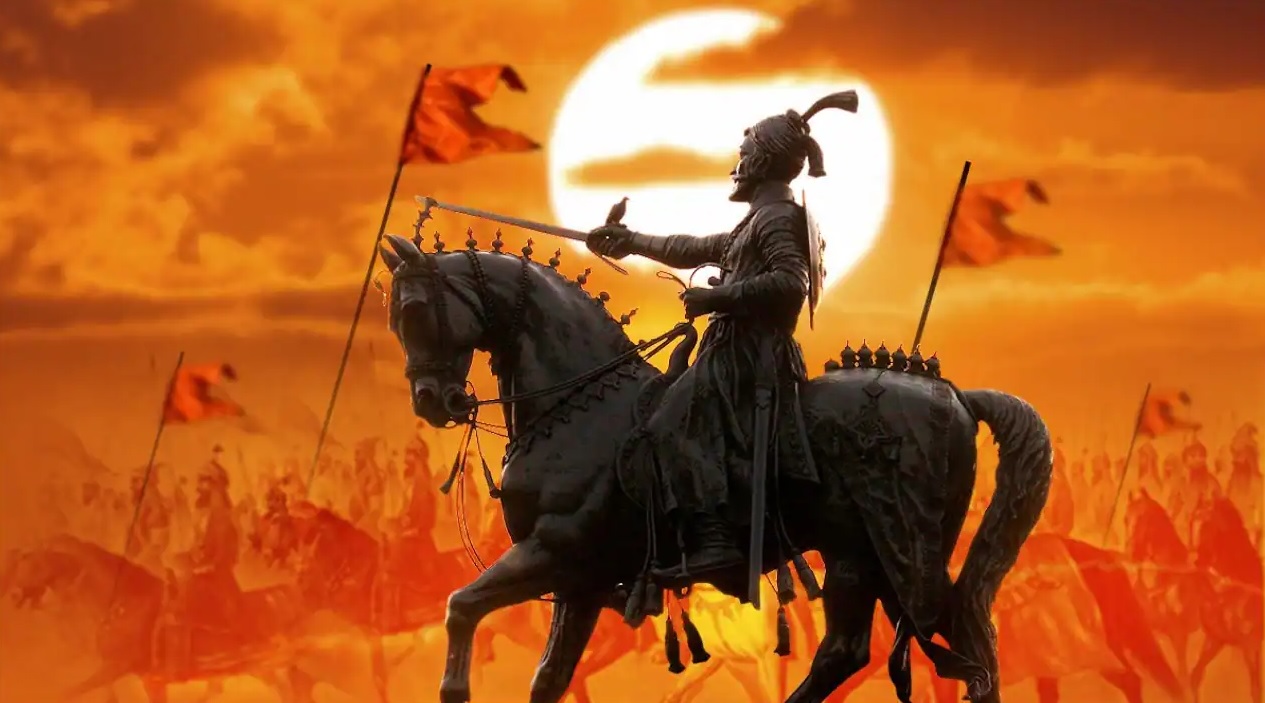
Chhatrapati Shivaji Maharaj’s vision of Swarajya did not end with his reign. After his passing in 1680, his successors, particularly Chhatrapati Sambhaji Maharaj, played a crucial role in expanding and defending Swarajya. Over time, the Marathas rose as a dominant power, significantly influencing India’s political and military landscape.
After Shivaji Maharaj’s death, the responsibility of preserving and expanding Swarajya fell upon his son, Chhatrapati Sambhaji Maharaj. However, the path was not easy as the Mughals, led by Aurangzeb, intensified their attacks to crush the Marathas.
Despite these challenges, Swarajya survived and expanded, thanks to the resilience of its leaders and warriors.
Poem Of Sambhaji Maharaj By Sneha Shinde
Sambhaji Maharaj, the eldest son of Shivaji Maharaj, took over the Maratha throne in 1681. His rule was marked by his bravery, military genius, and resistance against the Mughal Empire.
After Sambhaji Maharaj’s death, the Marathas regrouped and launched an aggressive campaign under Chhatrapati Rajaram Maharaj, Maharani Tarabai, and later Chhatrapati Shahu Maharaj. This led to the Marathas expanding their influence across India.
| Period | Leader | Achievements |
|---|---|---|
| 1700-1714 | Maharani Tarabai | Led guerrilla warfare against the Mughals, keeping Swarajya alive. |
| 1714-1749 | Chhatrapati Shahu Maharaj & Peshwa Balaji Vishwanath | Establishment of the Peshwa system, strategic alliances with Mughals, control over major regions. |
| 1749-1761 | Peshwa Bajirao I & Peshwa Balaji Bajirao (Nana Saheb) | Marathas became the most powerful force in India, expanding from Delhi to Tamil Nadu. |
| 1761 | Maratha Confederacy | Third Battle of Panipat – Marathas fought against Ahmad Shah Abdali; though they lost, they remained a key power. |
| 1761-1818 | Later Peshwas | Continued resistance against British rule until their defeat in 1818. |
The Swarajya movement, started by Shivaji Maharaj, was carried forward by his successors, especially Sambhaji Maharaj. The Marathas not only defended their homeland but also expanded their empire, leaving a lasting impact on India’s history. Their vision of self-rule, military strength, and administrative reforms played a crucial role in shaping the nation’s future.
Even today, the Maratha legacy continues to inspire millions, symbolizing bravery, independence, and resilience.